Powering a Sustainable Future Through Advanced Energy Technology

When bacteria break down organic material without air, much like in a cow’s stomach, they produce biogas. Its main part is methane, the same energy carrier as natural gas.
Waste-to-Energy
Green Hydrogen
Sustainable Planet

Waste to Methanol

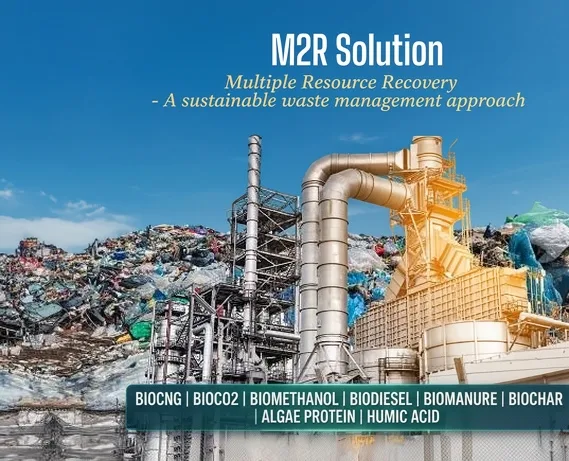
A Waste to Methanol system converts biomass, agricultural residues, and organic or municipal waste into high-value methanol fuel. The process begins with gasifying waste materials in a controlled, high-temperature reactor to produce syngas (a mix of CO, H₂, CO₂). This syngas is then cleaned and passed through a catalytic methanol synthesis reactor, where it chemically converts into methanol. The product is finally distilled and stored for industrial use as a clean fuel or chemical feedstock.

How the System Works

Waste/Biomass
→
Gasification
→
Syngas Cleaning
→
Catalytic Conversion
→
Methanol Synthesis
→
Purification
Key Performance Highlights
Delivers high-purity methanol for fuel and industrial applications
Works with multiple feedstocks including agro waste, wood, and MSW
Uses high-efficiency catalysts for strong conversion rates
Compact, modular, and scalable for industries
Smart automation for real-time process control and optimization

1.03 kWh

of electricity per kg of biomass

₹5–₹8

per unit, much cheaper than grid/diesel

Waste to Electricity (WtE)

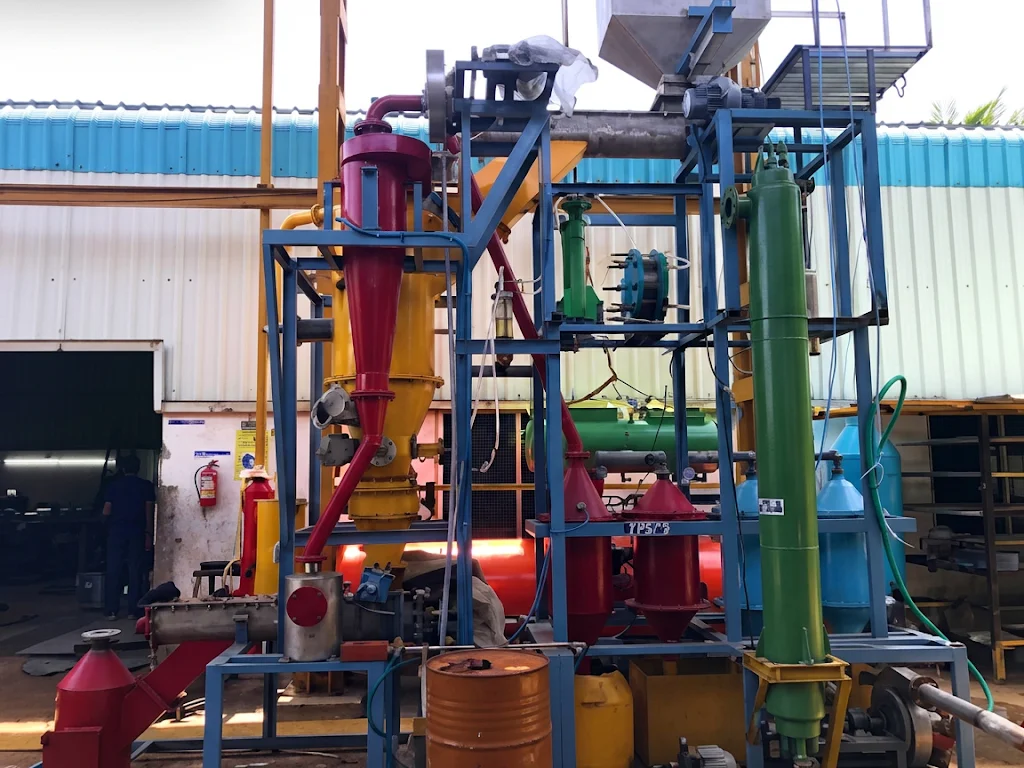
A Waste to Electricity (WtE) system converts biomass and organic waste into producer gas, which is then used to generate electricity. In a controlled, low-oxygen chamber, the biomass heats up and transforms into a clean, combustible gas. This gas powers engines or generators to produce reliable on-site electricity.

How the System Works

Biomass
→
Gasification
→
Gas Cleaning
→
Gas Storage
→
Gas Engine/Generator
→
Electricity
Key Performance Highlights
Works with various fuels: agro waste, wood chips, briquettes
Includes smart monitoring for automated operation

Waste to Syngas (WtS)

A Waste to Syngas system converts biomass, agricultural residues, and organic or municipal waste into clean, energy-rich syngas. In a controlled, high-temperature, low-oxygen gasifier, waste materials break down into a mixture of carbon monoxide (CO), hydrogen (H₂), methane (CH₄), and small amounts of CO₂, collectively known as syngas. After production, the syngas is cleaned and cooled, making it suitable for power generation, industrial heating, or further chemical conversion.

How the System Works

Waste/Biomass
→
Gasification
→
Syngas Cleaning
→
Cooling
→
Syngas Storage/Use
Key Performance Highlights
Converts waste into valuable syngas for energy and industrial use Delivers a fuel mixture rich in CO + H₂ Compatible with various feedstocks including agro waste, wood, and MSW
High-efficiency gasification with low tar and reduced emissions Modular, compact, and scalable for industrial applications Smart monitoring for automated control and real-time performance tracking

EnerTek Alkaline Electrolyzer: Powering a Sustainable Future

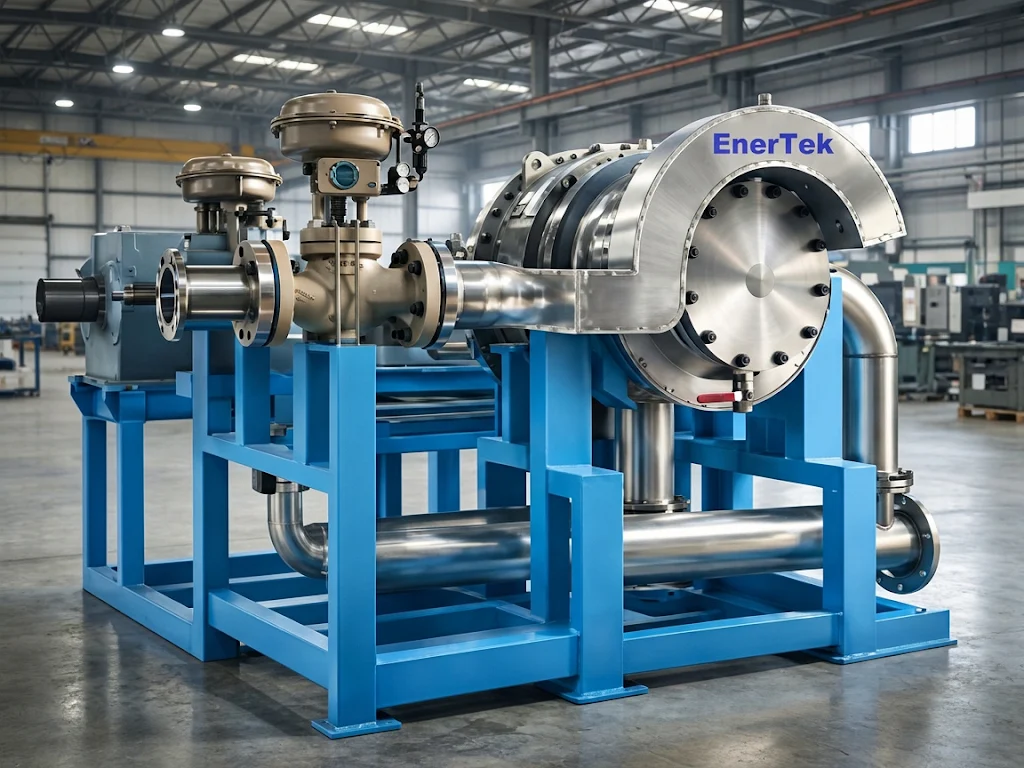
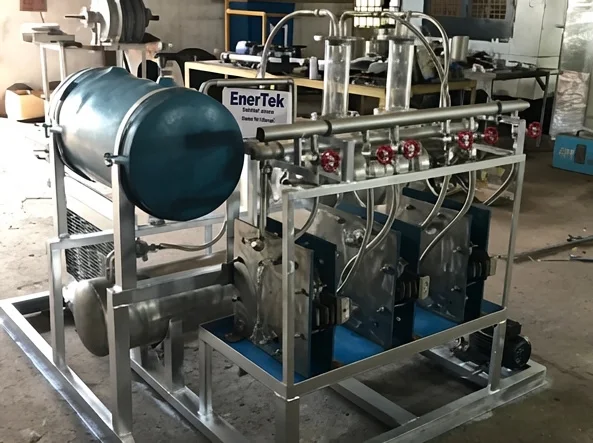
EnerTek’s patented Hydrogen Fuel Package delivers clean, efficient, and scalable energy solutions for a sustainable future. The system combines three core components (Electrolyzer, Compressor, and Carbon Fiber Storage Tanks) integrated with IoT-enabled software and SCADA visualization for precise, real-time monitoring.
Consuming just 42 kWh per kilogram of hydrogen for production and an additional 6 kWh per kilogram for compression up to 350 bar, it ensures superior performance and reliability. Designed to work with renewable energy sources, EnerTek’s technology makes green hydrogen production practical and impactful, driving the transition toward a cleaner energy ecosystem.

42 kWh

per kilogram of hydrogen for production

6 kWh

per kilogram for compression up to 350 bar

99.9%

hydrogen purity, with high cyclic efficiency

PLC-based

automated system
Electrolysis is an established way to make hydrogen and oxygen on site, but end-use maturity differs sharply by sector.
India has credible policy support and visible pilots in steel, refining, fertilizer, ports, and electrolyzer manufacturing.
Restaurant cooking is technically feasible, yet it remains an emerging niche rather than a mainstream fuel solution.
Economics are the gating issue: low-cost electricity, high utilization, and disciplined safety compliance are decisive.

Best near-term fit: sectors with existing hydrogen demand or pilot-led decarbonization value, not ordinary low-cost cooking fuel substitution.

What Matters Most?

The opportunity is real, but the winning use cases are narrow.

GET IN TUCH

Address

Poortland 66 1046 BD Amsterdam Netherlands

Phone

+31 23 202 5811

Email

contact@heritageecosolutions.com